
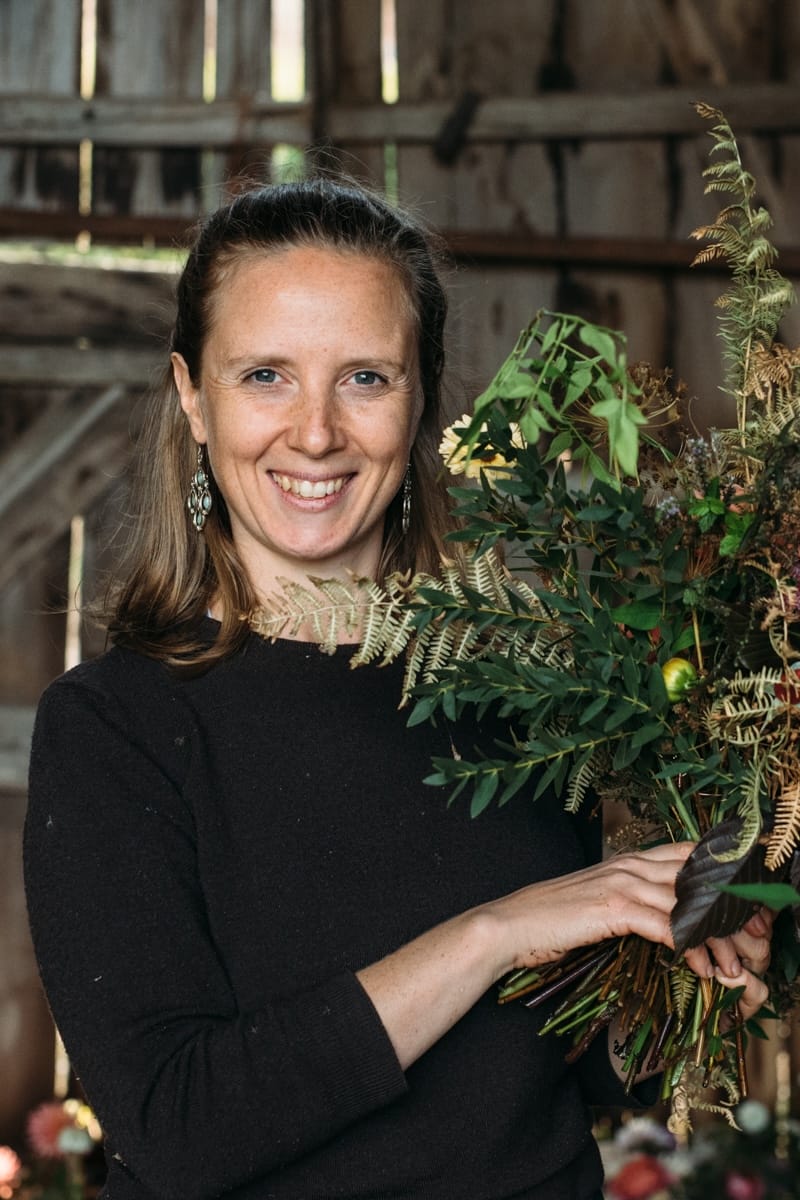
I'm Ellie. I'm a British English pronunciation specialist, and I work almost entirely with professional women from Japan.
My work is narrow on purpose. I listen to how you speak English and I find the precise points where your listener has to work harder than they should - the specific sounds and patterns creating that effort - and I show you how to change them. Not a new accent. Not sounding native. Clear English, so your listener can focus on your ideas instead of decoding which words you said.
はじめまして、エリーです。イギリス英語(モダンRP)の発音を専門に、日本出身の働く女性のみなさんをサポートしています。目指すのは「ネイティブのような発音」ではなく、聞き手が労せず理解できる、伝わる英語です。まずは £95 のライティング診断レポートから。お送りいただいた録音をもとに、発音のどこに改善の余地があるかを丁寧に分析してお伝えします。
The thing no one will tell you
Your English is strong. You have studied for years, scored well, perhaps lived abroad. In everyday conversation you are fine. But in the moments that carry weight - a meeting, a presentation, an interview - something does not quite land, and you cannot name what.
Here is the hard part: no one corrects you any more. You are past the level where people offer corrections, and colleagues are too polite to point out a pattern you have been repeating for years. So you are left knowing something is creating friction, with no way to identify it.
What you notice instead is subtler: the slight pause before someone responds, or the extra effort it takes them to catch exactly what you said. You would rather your competence came through without that friction, the meeting moving at its own pace. That is the gap I help you close.
How I work
Two things separate my work from an app, a course or a YouTube channel.
The first is diagnosis. Plenty of resources can show you what correct English sounds like. None of them can listen to you and tell you what your speech is actually doing. I can. I work from your own recordings, alongside acoustic analysis, and I identify the exact sounds and patterns creating the friction - which ones, in what contexts and which to work on first. Precise, not general.
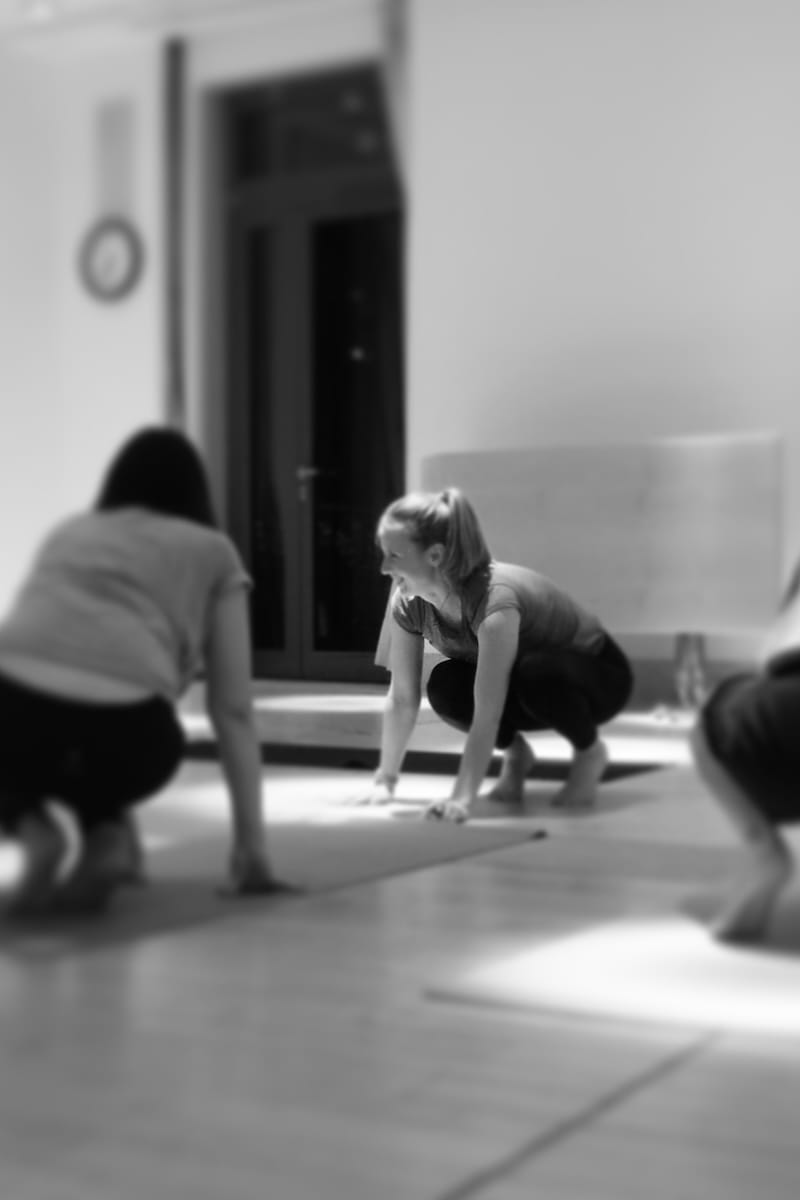
The second is how I teach the change once we have found it. I came to pronunciation through the body. Before this I taught yoga and worked as a shiatsu practitioner, including with Olympic athletes - work that is entirely about watching a body, finding the single movement creating a problem and adjusting it. Pronunciation is the same kind of physical skill. So I do not simply tell you a sound is wrong. I tell you where your tongue is, how the air is moving, what your mouth is doing and what to change to produce the sound you want. One of my students described it better than I can: she said I am good at "verbalising where your tongue is and what kind of air you feel at certain places in your mouth."
And I teach in context, through real language rather than sounds in isolation. Meaning comes first. When you understand why a word is built the way it is and why English behaves as it does, the pronunciation follows and it holds. That is the part my clients tell me they have never had before.
Why me
I read Classics at Cambridge - Latin and Ancient Greek - which is really a training in taking language apart to see how it works. That is still what I do, with English sounds now instead of texts.
After university I lived in Berlin and spoke German every day. I worked on my own accent until German speakers stopped switching to English when they heard me - they could still tell I was foreign, but they could no longer place me as an English speaker. I know from the inside what it is to be heard differently because of how you sound, and what it takes to change it.
The precision came from elsewhere. Training as a yoga instructor led to work with Olympic athletes, including rowers who won gold at London 2012. That work was about watching closely and finding the one detail that changes everything. I bring the same attention to a recording of your speech.

I teach English online and hold Cambly Super Tutor status. Glasgow is home now, with my dog Dylan - he is the one in the logo. I manage M.E. (Chronic Fatigue Syndrome), which means I work within clear limits and value anything that is structured, efficient and worth the energy. I suspect some of my clients feel the same way about their time.

The results of working with me
You might be asked:
“Why is your English so clear? Did you spend a long time in the UK?”
- a native English interviewer, to one of Ellie's students
This student had not lived in the UK. What changed was not her accent but her awareness. She had learned to hear what was happening in her own speech, and to change it. In her words: before, she did not know which sounds she was getting wrong; now she can recognise her own patterns and understand why they happen. That is the shift I work towards with every client.
How it works in practice
Everything starts in writing and in private - no live call required.
The entry point is a Written Diagnostic Report. You send me two short recordings. I analyse them alongside acoustic data, and you receive a written report: how clearly a listener follows you, the specific patterns creating the most effort and what to work on first. It is yours to keep, and it stays between you and me.
If you then want to work on what it finds, that is what my Passage Sessions and longer programme are for. There is no obligation, and nothing to decide now.
£75 for the first five students who sign up, then £95 - one report, a clear picture of what your listener is hearing.